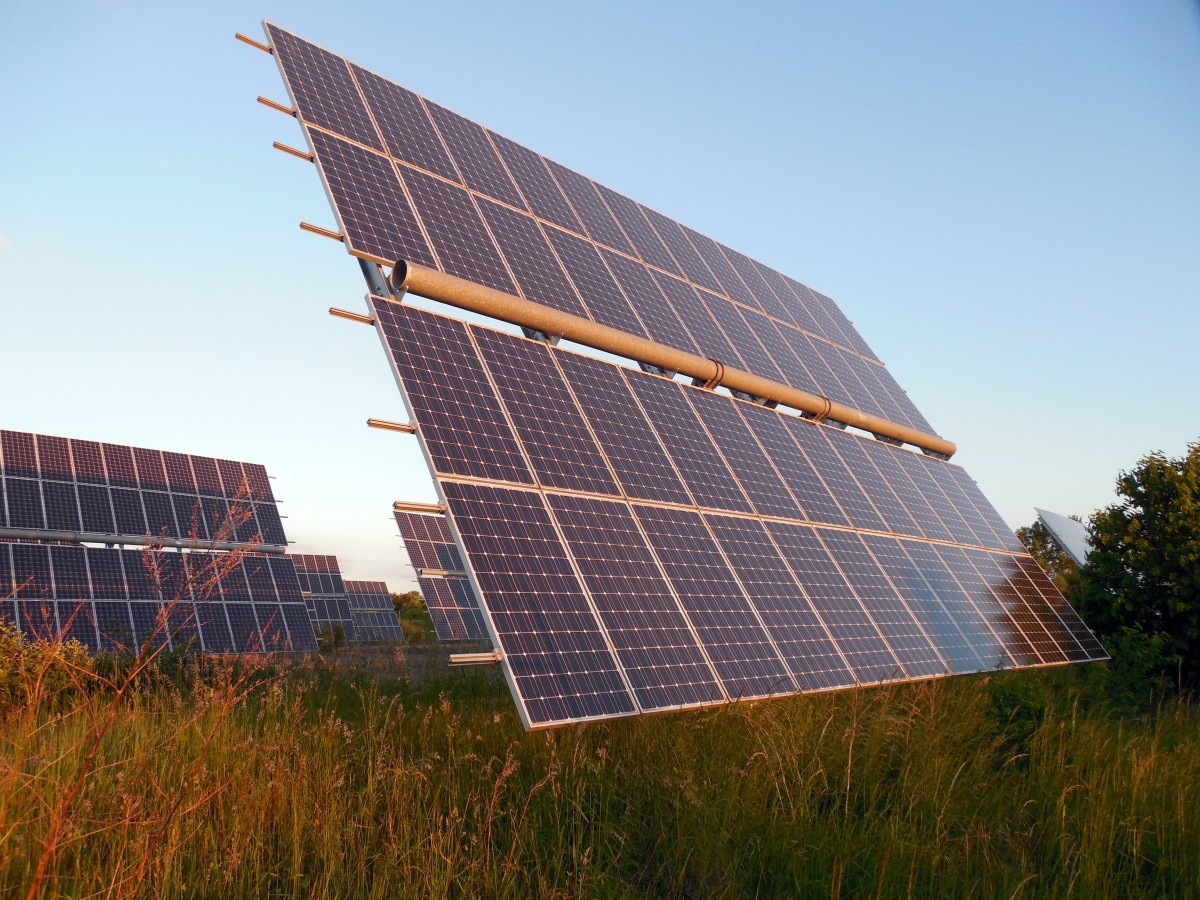
What is an Off-Grid Solar System? Complete Guide with Example
As electricity demand continues to grow, many people are looking for reliable and independent energy solutions. An Off-Grid Solar System is one of the best options for areas with frequent power cuts or places where electricity supply is unavailable.
This solar system allows you to generate and store your own electricity without depending on the government power grid.
What is an Off-Grid Solar System ?
An Off-Grid Solar System is a standalone solar power system that works independently without any connection to the government electricity grid.
This system uses:
- Solar Panels
- Solar Inverter
- Solar Batteries
The electricity generated by solar panels is stored in batteries so it can be used during nighttime or power outages.
Off-Grid systems are commonly used in villages, remote areas, farms, and places where grid electricity is unreliable.
How Does an Off-Grid Solar System Work ?
Main Components:
- Solar Panels
- Solar Charge Controller
- Solar Battery
- Solar Inverter
Working Process:
- Solar panels absorb sunlight and generate DC electricity.
- The charge controller manages the power flow to protect batteries.
- Batteries store the generated electricity.
- The inverter converts DC electricity into AC electricity for home appliances.
- Stored battery power is used at night or during cloudy weather.
Example of an Off-Grid Solar System
Suppose you live in an area where electricity cuts happen frequently.
Your home requires:
- Fans
- Lights
- TV
- Refrigerator
You install a 3KW Off-Grid Solar System with Batteries.
What Happens?
- During the day, solar panels generate electricity.
- The batteries get charged automatically.
- Your appliances run using solar power.
- At night, stored battery power supplies electricity to your home.
Result:
You get uninterrupted power without depending completely on the government electricity supply.
Benefits of an Off-Grid Solar System
1. Complete Energy Independence
You do not need to rely on the electricity grid.
2. Backup During Power Cuts
The battery system provides electricity even during blackouts.
3. Ideal for Remote Areas
Perfect for villages, farms, and locations without proper electricity supply.
4. Environment Friendly
Solar energy reduces pollution and supports clean energy usage.
5. Long-Term Savings
Although the initial investment is higher, it reduces long-term electricity expenses.
Where is an Off-Grid Solar System Used ?
- Rural Areas
- Villages
- Farms
- Remote Locations
- Small Businesses
- Farmhouses
- Areas with Frequent Power Cuts
Difference Between On-Grid and Off-Grid Solar Systems
| Feature | On-Grid System | Off-Grid System |
|---|---|---|
| Grid Connection | Required | Not Required |
| Battery | No | Yes |
| Power Backup | No | Yes |
| Installation Cost | Lower | Higher |
| Best For | Cities | Remote Areas |
Who Should Choose an Off-Grid Solar System?
An Off-Grid Solar System is best for:
- Areas with frequent power cuts
- Remote locations without electricity
- People who want full energy independence
- Farms and rural businesses
Conclusion
An Off-Grid Solar System is an excellent solution for people who need reliable electricity without depending on the power grid. With battery backup and solar energy generation, it provides uninterrupted electricity and promotes a sustainable future.
Choosing the right solar system size and a trusted installation company is essential for long-term performance and savings.
Sun Solar Group of Companies
Based in Gorakhpur, Uttar Pradesh, we provide professional installation services for On-Grid, Off-Grid, and Hybrid Solar Systems. With 6 years of experience and government registration, we are committed to delivering trusted and high-quality solar energy solutions for homes, businesses, farms, and industries.
Leave a Reply