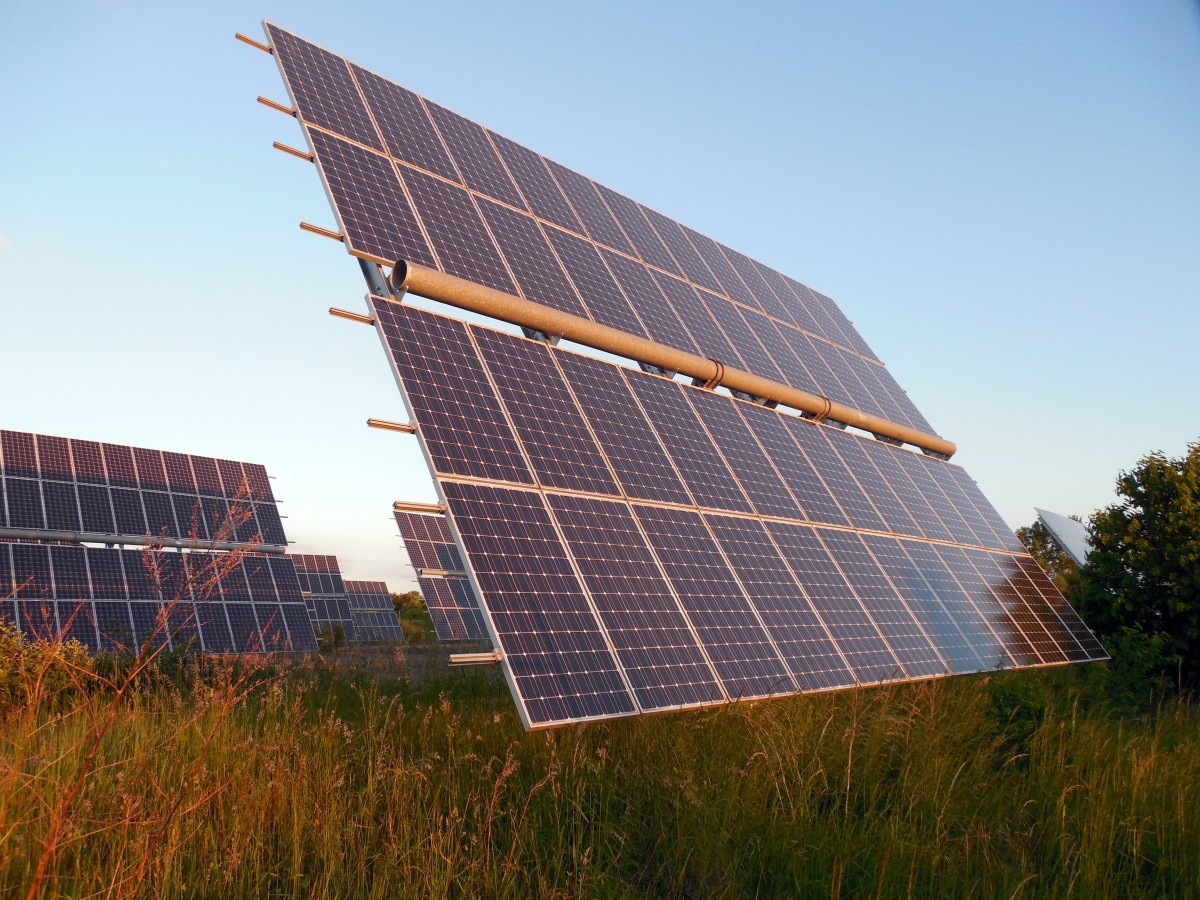
What is an On-Grid Solar Panel System? Complete Guide with Example
In today’s world, rising electricity costs and increasing awareness about environmental protection have encouraged many people to switch to solar energy. Among all solar solutions, the On-Grid Solar System is one of the most popular choices for homes, shops, offices, schools, and industries.
If you want to reduce your electricity bills and use clean energy, an On-Grid Solar System can be the perfect solution.
What is an On-Grid Solar System?
An On-Grid Solar System is a solar power system that is directly connected to the government electricity grid.
The solar panels generate electricity from sunlight, and the power is used to run electrical appliances in your home or business.
If the system produces extra electricity, the additional power is sent back to the electricity grid. During nighttime or cloudy weather, electricity is automatically taken from the grid.
This process is known as Net Metering.
How Does an On-Grid Solar System Work?
Main Components:
- Solar Panels
- Solar Inverter
- Net Meter
- Grid Connection
Working Process:
- Solar panels absorb sunlight and generate DC electricity.
- The solar inverter converts DC electricity into AC electricity.
- The electricity is used in your home or office.
- Extra electricity is exported to the government grid.
- When solar power is not available, electricity is imported from the grid.
Example of an On-Grid Solar System
Suppose your monthly electricity bill is around ₹5000.
You install a 5KW On-Grid Solar System at your home.
What Happens?
- During the day, the solar system powers your home appliances.
- Extra electricity is sent to the grid.
- At night, electricity is taken from the grid.
- The net meter calculates the electricity exported and imported.
Result:
Your electricity bill can reduce from ₹5000 to around ₹500–₹1000 per month.
Benefits of an On-Grid Solar System
1. Huge Savings on Electricity Bills
It can reduce electricity expenses by 70%–90%.
2. No Battery Required
This system does not require batteries, which lowers maintenance costs.
3. Affordable Installation Cost
Compared to Off-Grid systems, On-Grid systems are more cost-effective.
4. Eco-Friendly Energy
Solar energy is clean, renewable, and environmentally friendly.
5. Net Metering Advantage
You can earn benefits by sending extra electricity to the grid.
Where is an On-Grid Solar System Used ?
- Homes
- Shops
- Offices
- Schools & Colleges
- Hospitals
- Factories
Difference Between On-Grid and Off-Grid Solar Systems
| Feature | On-Grid System | Off-Grid System |
|---|---|---|
| Grid Connection | Yes | No |
| Battery Required | No | Yes |
| Installation Cost | Lower | Higher |
| Works During Power Cut | No | Yes |
| Maintenance | Low | High |
Who Should Choose an On-Grid Solar System?
An On-Grid Solar System is best for people who:
- Have regular electricity supply
- Want to reduce electricity bills
- Want a low-maintenance solar solution
- Prefer an affordable renewable energy system
Conclusion
An On-Grid Solar System is one of the smartest ways to save electricity costs and switch to renewable energy.
Its low maintenance, affordable pricing, and long-term savings make it an excellent investment for homes and businesses.
Choosing the right solar company and proper system capacity is very important for getting the best results.
Sun Solar Group of Companies
Based in Gorakhpur, Uttar Pradesh, we provide professional installation services for On-Grid, Off-Grid, and Hybrid Solar Systems. With 6 years of experience and government registration, we are committed to delivering reliable and high-quality solar energy solutions for homes, businesses, and industries.
Leave a Reply